


Is a Disney Cruise Worth It? What to Know at Every Stage of Life

A note on photos: All photos in this series are real images taken by our family. To protect our kids' privacy, some have been transformed into anime-style illustrations while staying true to the original moments.
Let me guess — you’ve been eyeing a Disney cruise, but you’re not quite sure if it makes sense for your family right now.
Maybe you have a baby and you’re wondering if it’s even doable. Maybe your kids are older and you’re not sure Disney is still “for them.” Maybe you’re thinking about bringing grandparents, or even doing a couples trip without the kids.
This post is for first-time cruisers (or first-time Disney cruisers) trying to decide whether Disney is worth the price and the planning.
Here’s the honest answer: it depends on your stage of life — and we’ve seen them all.
Over the past decade, we’ve taken 27+ Disney cruises. We’ve sailed with babies still in diapers, wild toddlers, elementary kids who never wanted to leave the kids’ club, tweens navigating the social waters, and grandparents who didn't expect to love it as much as they did. We’ve seen what works, what doesn’t, and when Disney is genuinely the best option on the water.
So let’s break it down.
Sailing with a Baby (Ages 6 months–3 years)
Our very first Disney cruise was with a baby in tow. We totally get the hesitation.
The good news? Disney has thought this through. The “it’s a small world” nursery takes kids ages 6 months to 3 years, and while there’s an hourly fee, it’s genuinely worth it for many families. It gives you a real window to enjoy adult dining, sneak off to a quiet lounge, or just sit still for twenty uninterrupted minutes — which, if you have a baby, you know is basically a luxury vacation on its own.

A few things worth knowing:
Book early. Pre-book what you can, then check the app again once you’re onboard for openings and added times.
They will call you if your baby is upset. We’ve gotten that call. We’ve also picked up a soundly sleeping baby who clearly had the time of her life.
The dining rooms are accommodating. Ask your server about pureed foods — they’ll usually make it work.
Small practical touches add up: bottle warmers, diaper disposal options, and splash areas for the littlest cruisers.
The biggest thing, though? You never feel out of place on a Disney ship with a baby. Families are the whole point. Nobody’s giving you side-eyes in the dining room.
Where it gets harder: port-heavy itineraries can be exhausting with a baby (lots of in-and-out), and tight nap schedules are always a puzzle. Staterooms are small — though Disney’s layout design genuinely helps more than most lines.
➡️ Related (coming soon): Disney Cruise with a Baby — what to know + what to pack
Kids Ages 3–10: Disney’s Sweet Spot
If you’re sailing with elementary-aged kids, prepare yourself — because you may struggle to get them off the ship at the end of the week.
The Oceaneer Club is where Disney earns every bit of its reputation. It’s not a room with coloring sheets and a TV. It’s a fully immersive, themed space with structured programming that shifts throughout the cruise: crafts, science experiments, character interactions, dance parties, and storytelling. Kids get genuinely absorbed.

One heads-up for younger 3-year-olds: some kids who’ve just hit the age cutoff can feel a little overwhelmed at first. Disney has made real improvements in how they group and guide younger kids, and doing the first-day open house (where parents can walk through with their child) makes a big difference. Give it a day — most kids come around fast.
If your child loves imaginative play and thrives with organized activities, this age range is where Disney shines brightest.
Tweens Ages 11–14: The Make-or-Break Age
This is where things get a little more nuanced.
Edge, Disney’s tween space, is more come-and-go than the younger kids’ clubs. There’s less structured programming and more independent hangout time. For some tweens, that freedom is exactly what they want. For others — especially those who are a little shy or introverted — it can feel awkward to break in if they don’t connect with anyone early on.

Our best advice: encourage your tween to go to the very first night’s meet-up. That’s when the social dynamics are still forming, everyone’s new, and friendships are most likely to click. One good connection can change the entire cruise.
Teens: Vibe
Vibe is the teen space, and it skews even more independent. From what we’ve seen, it works best for outgoing teens who are comfortable walking into a room full of strangers and just… making it work.
Quieter or more introverted teens may find themselves spending time at the sports deck, pool, or just hanging out with family instead — which honestly isn’t a bad thing, but worth setting expectations about before you board.
This is one area where Disney’s teen programming can feel less structured than what’s available for younger kids.
Adults and Couples
Yes, Disney absolutely has adult-only spaces — and they’re genuinely lovely.
The Quiet Cove pool lives up to its name. There are adult-exclusive bars and lounges, specialty restaurants like Palo and Enchanté (both excellent), and first-run Disney movie premieres that sometimes happen onboard the same day they debut in theaters.
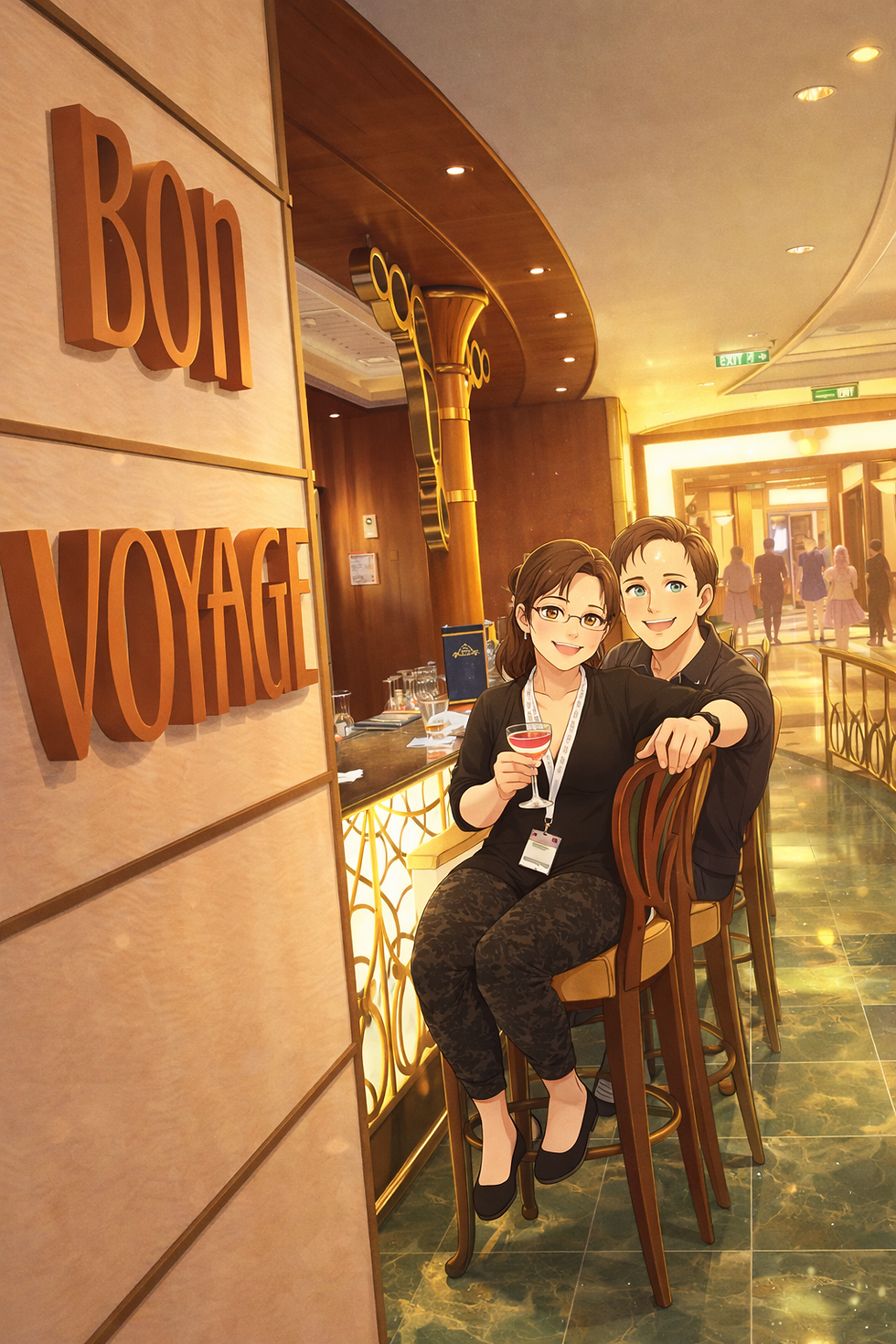
The overall vibe is calm and polished. Think: refined family resort energy, not party cruise.
The honest tradeoff: adult-only areas can feel more limited compared to cruise lines designed primarily around adult nightlife and big entertainment districts.
But if you want a beautifully run cruise with pockets of quiet, great food, and a chance to actually relax? Disney delivers that really well — even for adults sailing without kids.
Dining: One of the Best Parts, Full Stop
Rotational dining is one of those things that sounds like a small detail until you actually experience it.
Instead of eating in the same restaurant every night, you move through three themed dining rooms on a rotation. Your serving team rotates with you. By night two, they know your kids’ names, remember preferences, and often anticipate what your table needs.

Experiences like Animator’s Palate — where drawings you make earlier in the day come to life on the screens around you during dinner — are the kind of thing you genuinely can’t find anywhere else.
For families who want built-in structure without having to plan every single night, this system is a major win.
➡️ Related (coming soon): Rotational Dining Explained — what first-timers should know
➡️ Related (coming soon): Everything You Need to Know About Disney Cruise Dining
The Staterooms: Thoughtfully Designed for Families
Disney staterooms aren’t just hotel rooms that happen to be on a boat.
The split bathrooms (sink/vanity separated from shower/toilet) make getting five people ready in the morning shockingly manageable. Storage is well thought-out. Standard cabins frequently accommodate families of five. And connecting rooms are more widely available on Disney ships than on many other lines.
These aren’t flashy features, but after a full week onboard, you notice every single one of them.
➡️ Related (coming soon): How Disney Cruise Rooms Work for a Family of 5 (What to Expect)
So, Is a Disney Cruise Actually Worth It?
Here’s the straightforward version:
Disney is worth it if you:
Are traveling with kids (especially ages 3–10)
Value structure, reliability, and organized entertainment
Want a family-focused atmosphere where you’re never out of place
Appreciate Disney storytelling and themed experiences
Want predictable quality without too many surprises
It might not be the right fit if you:
Are prioritizing nightlife and high-energy adult spaces
Are doing a couples-only trip and want a bigger adult atmosphere
Are working with a tight budget
Want a mega-ship with every possible amenity
For us, Disney has worked at nearly every stage — babies, grandparents, and everything in between. It’s not a perfect cruise line (no cruise line is), but it’s a consistently well-run one. And that counts for a lot when you’re traveling with family.
If you’re not sure, start with a 3- or 4-night sailing. It’s enough to get a real feel for it without a huge commitment.
Fair warning though: it has a way of pulling you back.


Comments